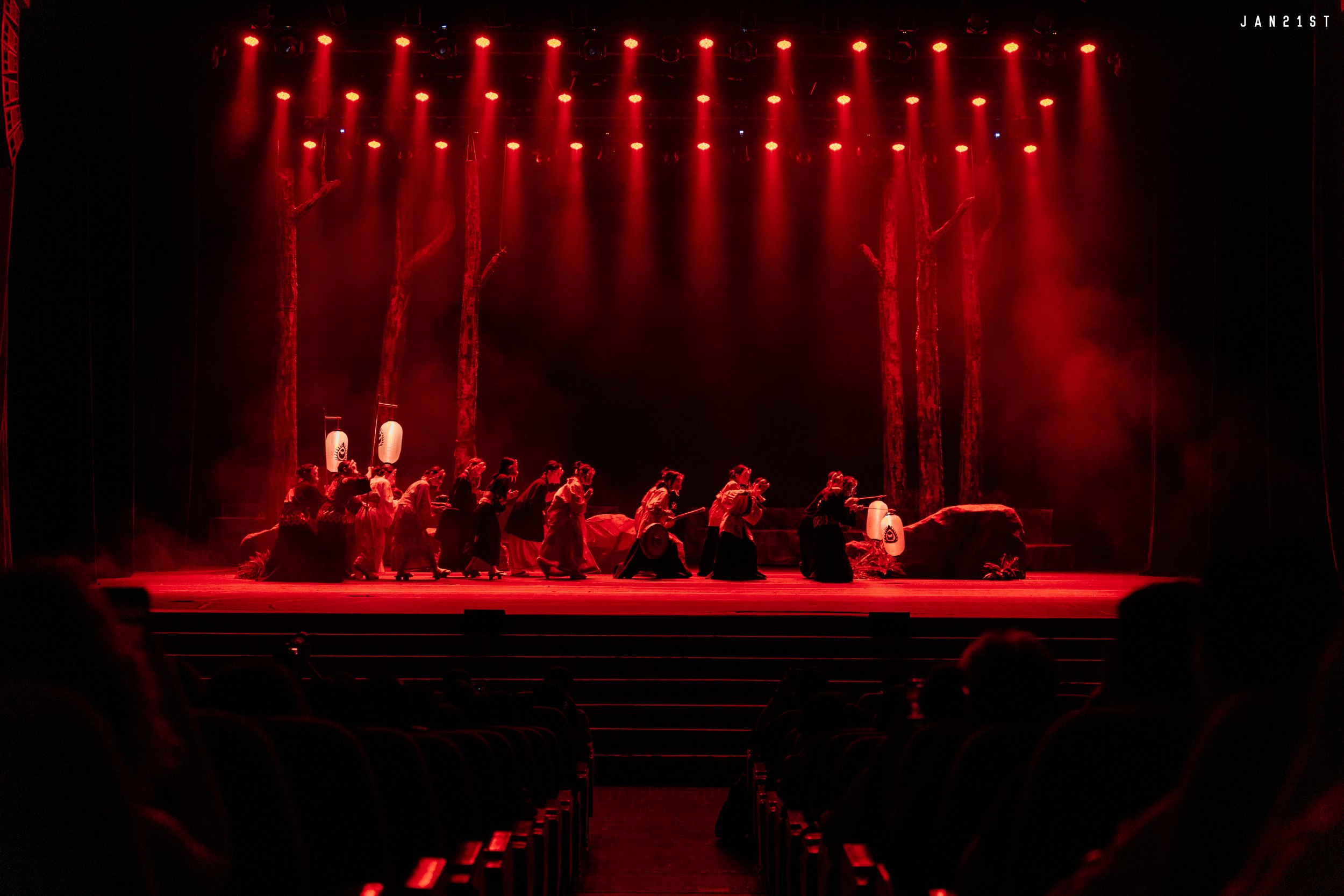
MƯA BÓNG MÂY (SUNSHOWER RAIN)
Original Musical (2024) · Playwright: Linh Pham
The Story
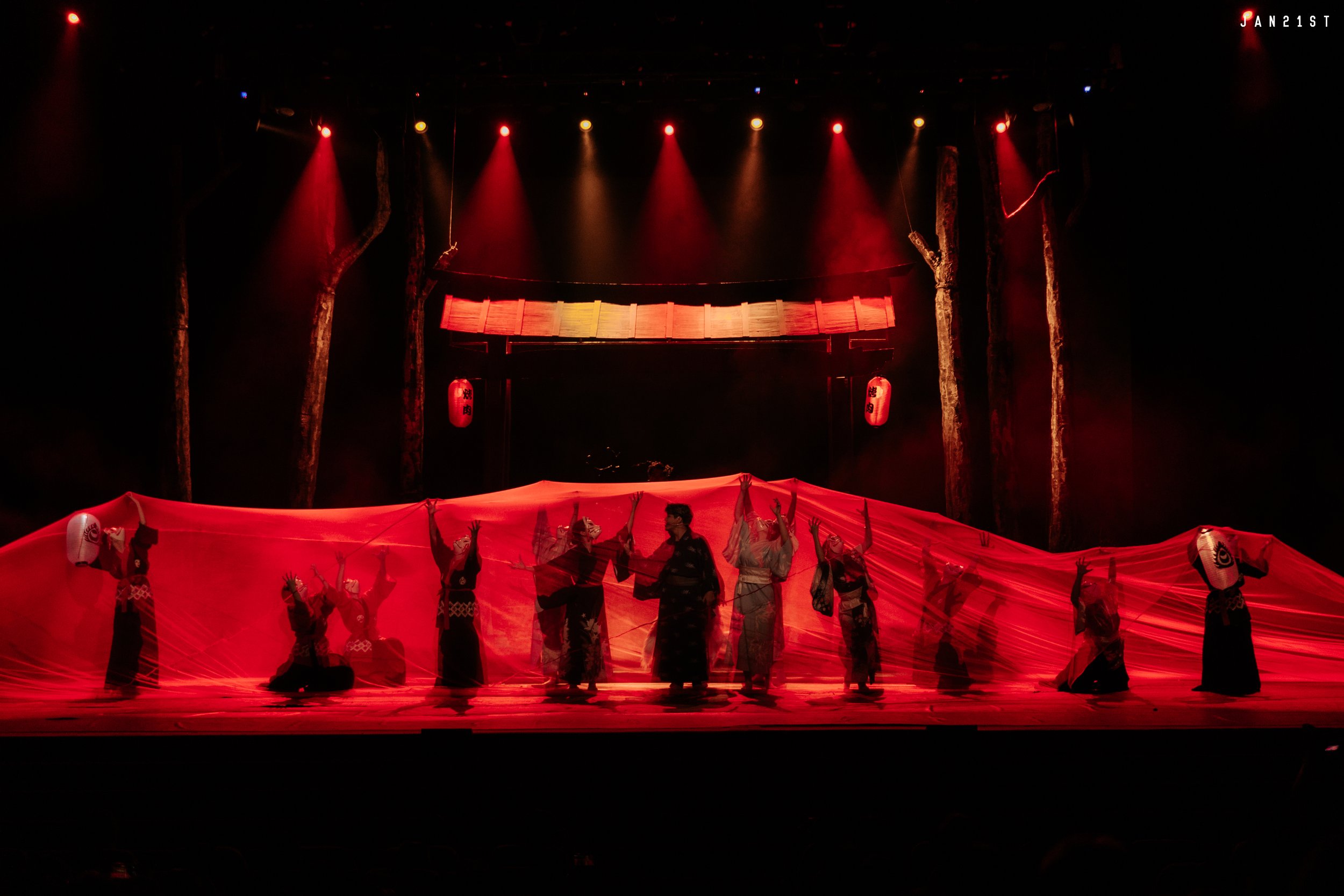
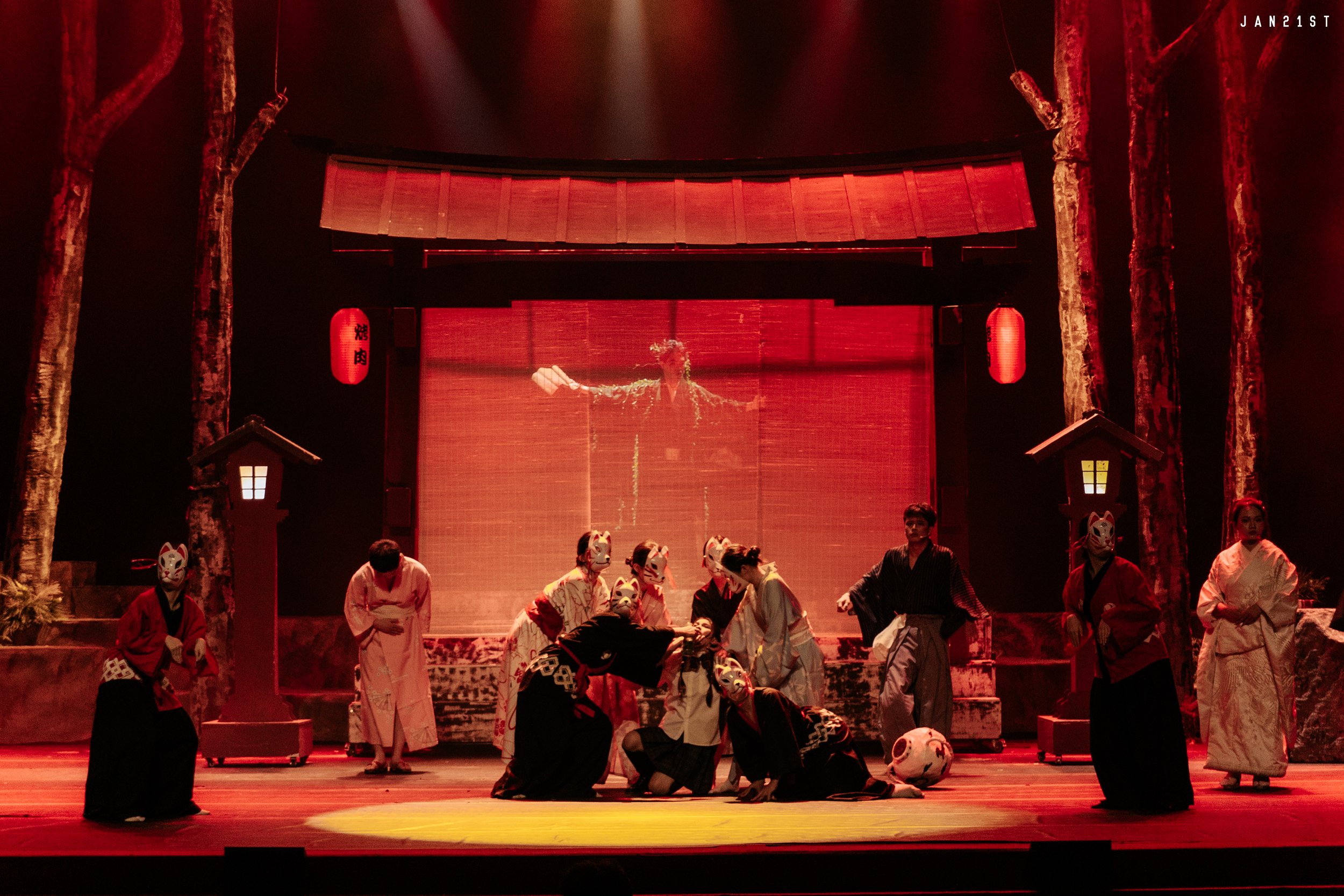
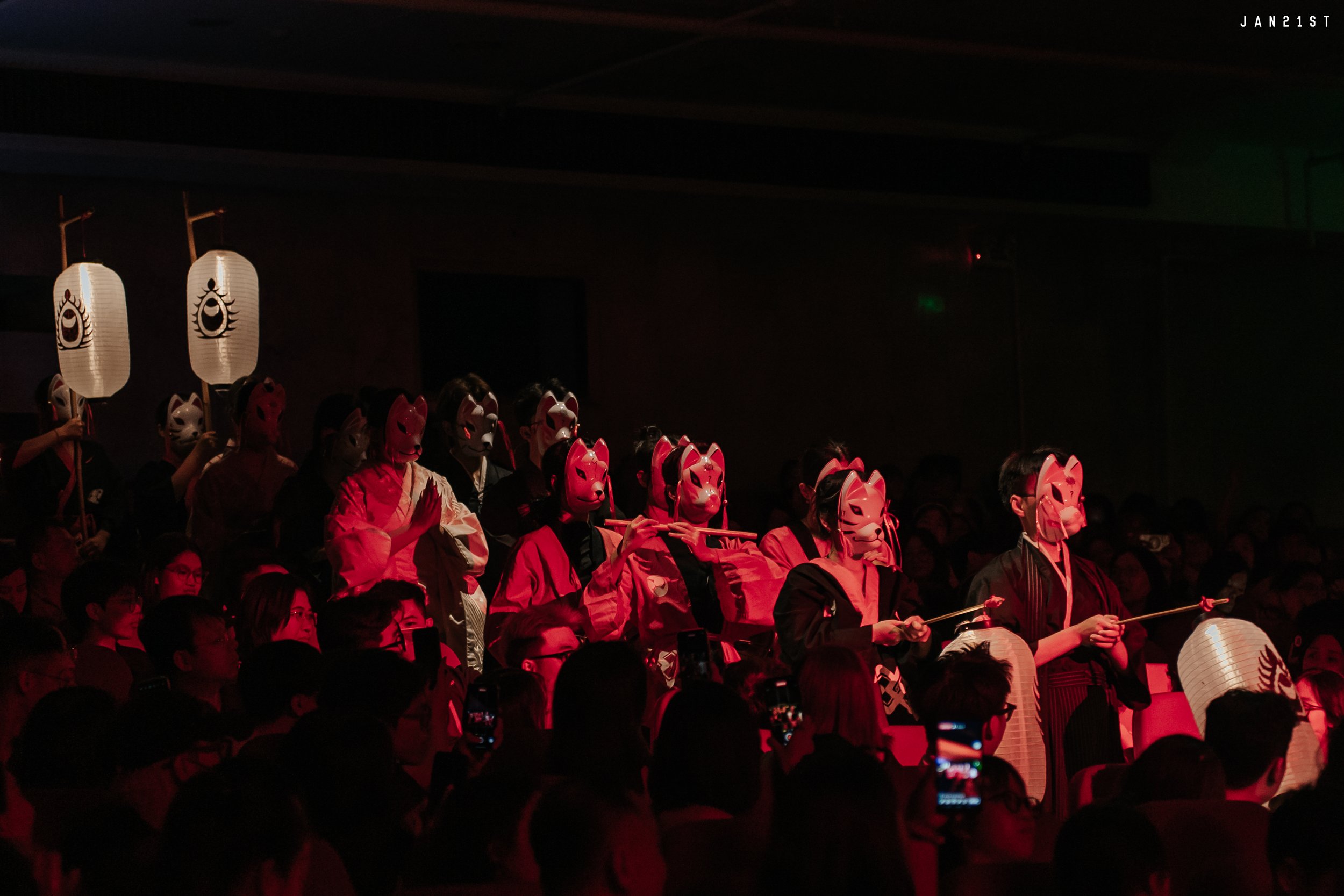
Sakura is seventeen, and her whole world fits inside one small house: an ailing father, her mother’s old books, an entrance exam on the horizon. When she slips into the forest to find a leaf that might heal him, the sky turns to sun and rain at once, and a fox wedding steps out of the rain. She has seen what no human may see. The forest’s law is older than memory, and it asks for her life.
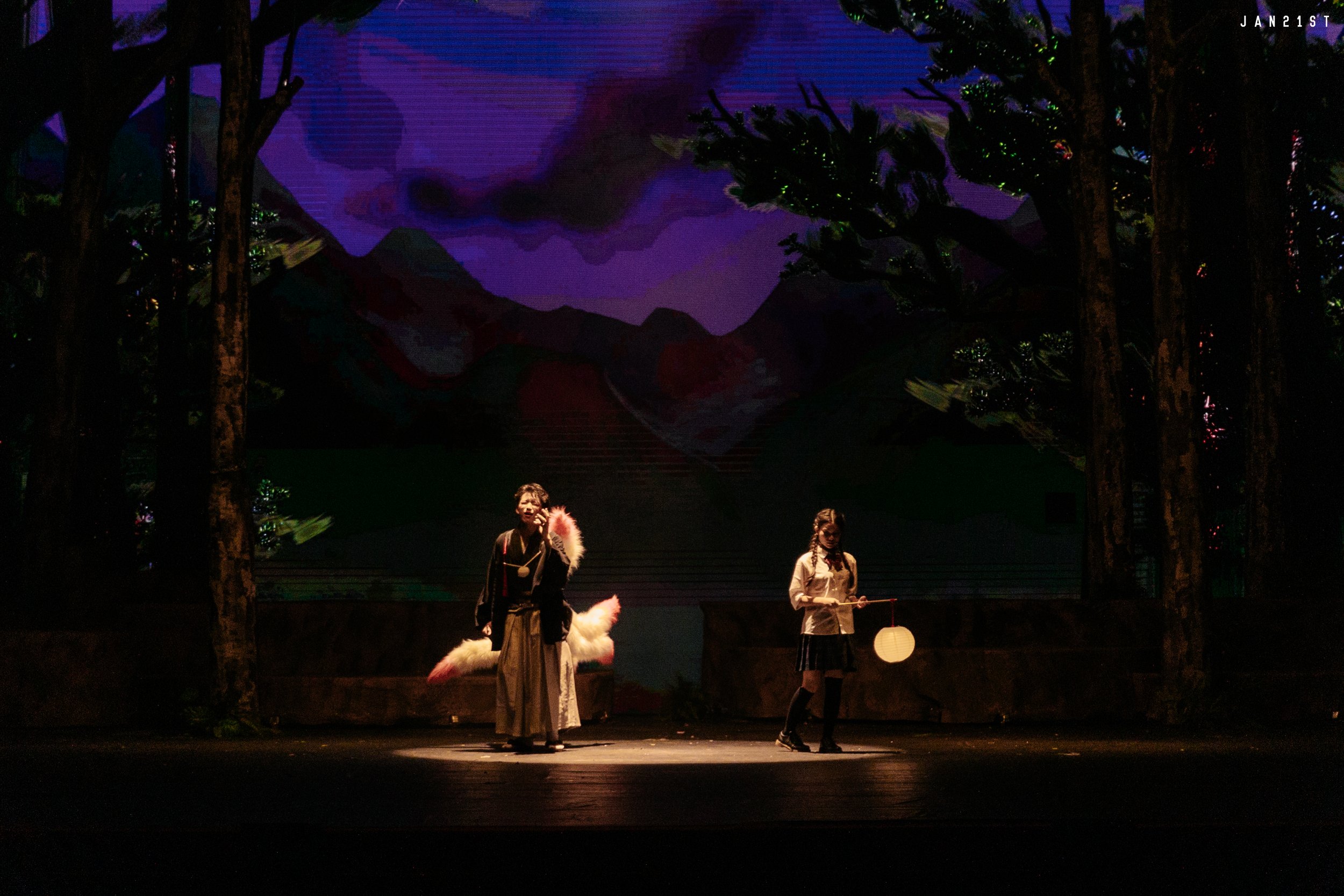
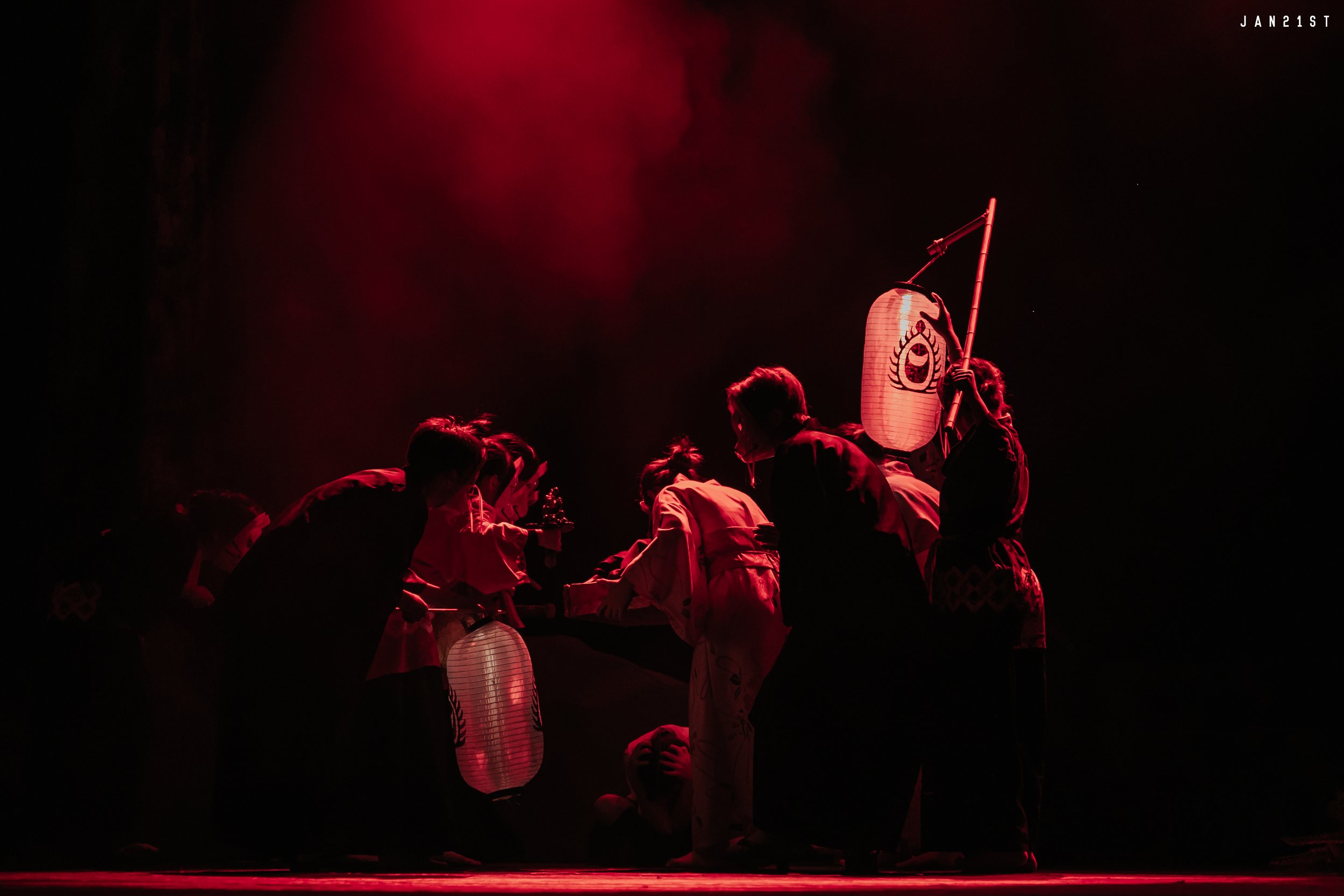
She is given a little time, and she spends it looking for the leaf. She asks her teacher where it grows, and learns he is the god who sentenced her. She searches beside Mamoru, the new boy who is always quietly there, and learns he is the bridegroom whose wedding she stumbled into, who has loved her across a hundred years and two lifetimes. Then the search leads her home, where there was never any leaf to find. Her parents died two years ago in a fire, and the man she has been nursing ever since is the fox leader who set it, wearing her father’s body and, against every plan, learning to love the child she meant to destroy.
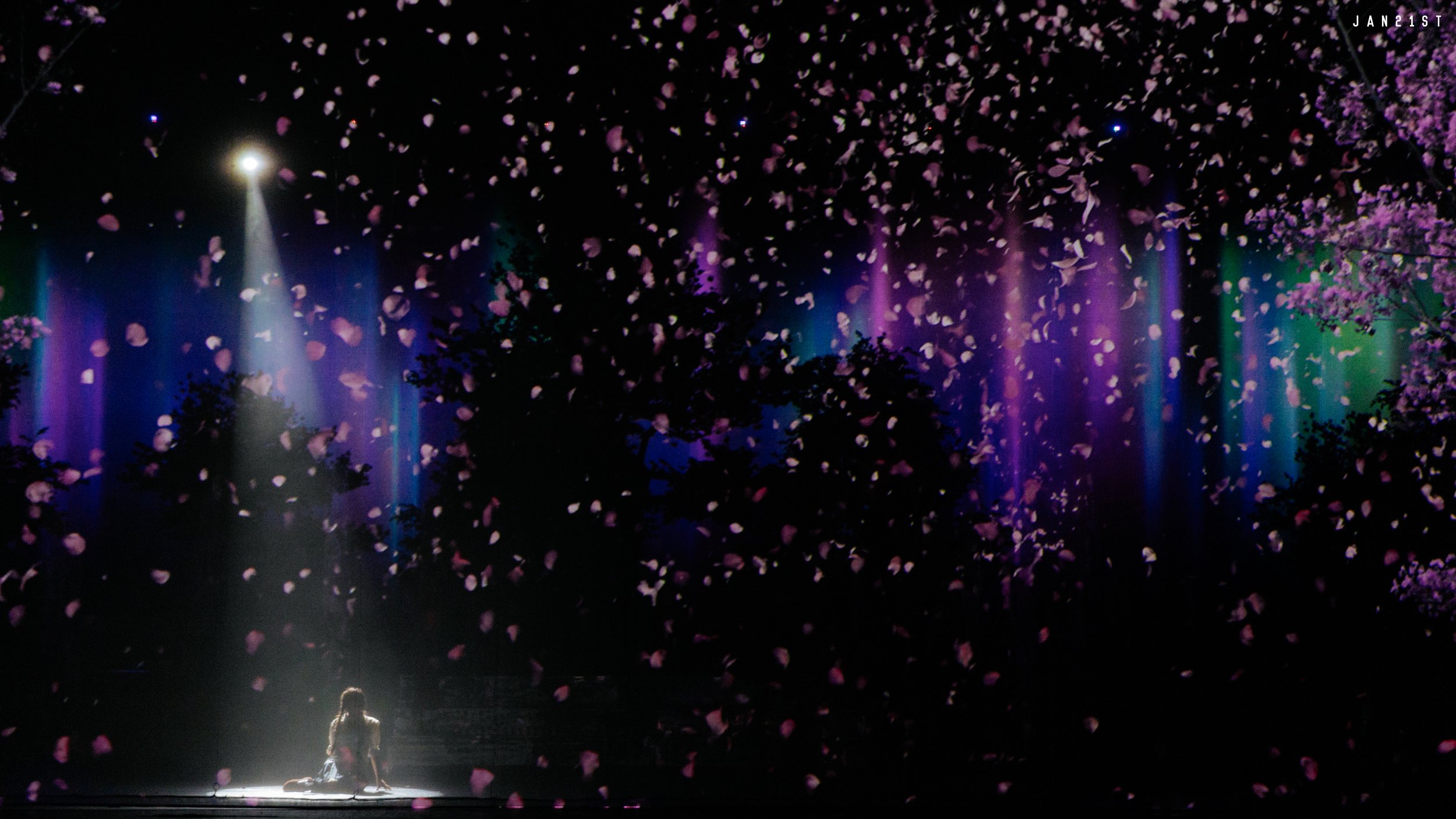
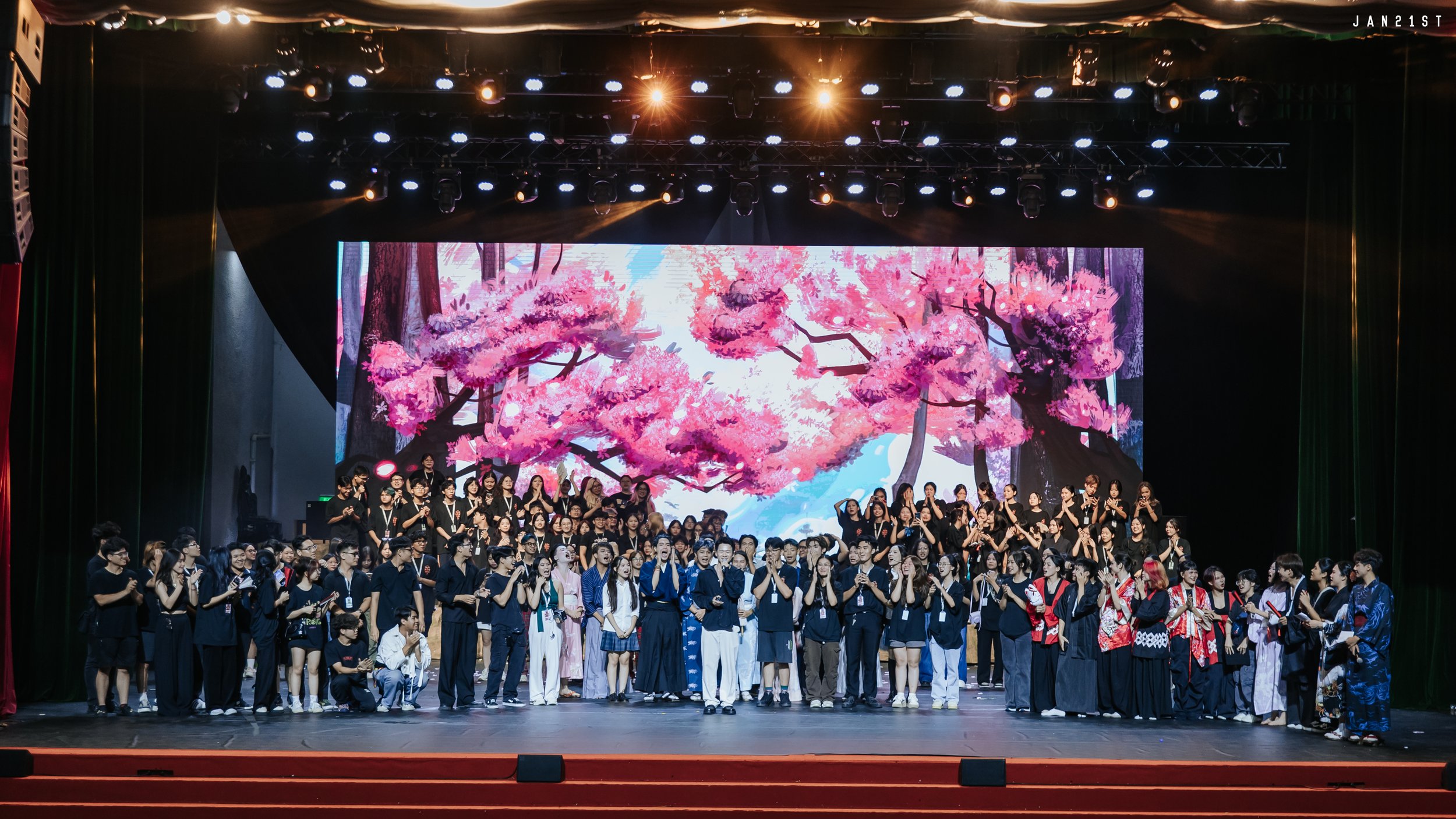
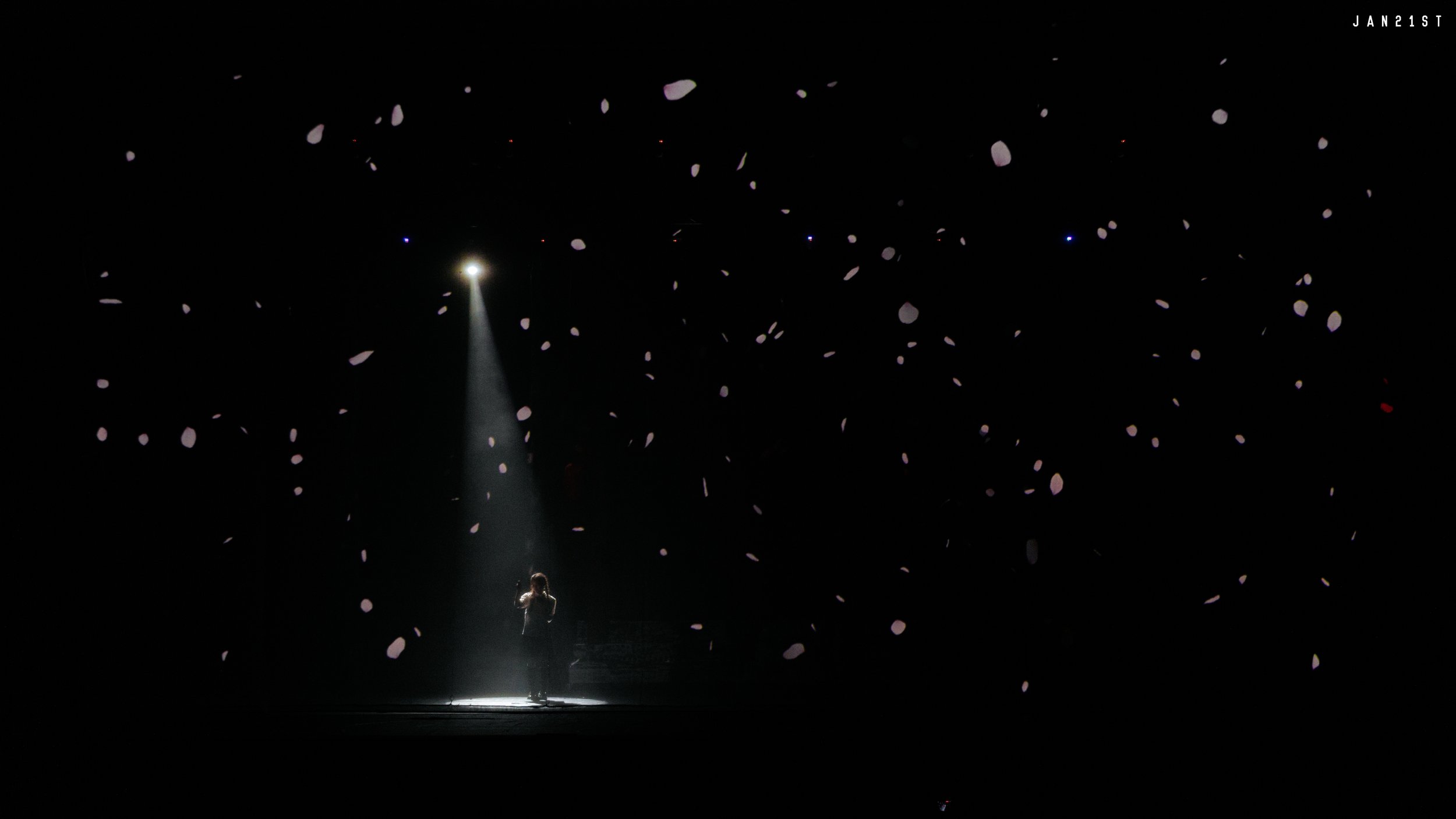
What Sakura chooses next is the heart of the play: she forgives. Mamoru, who swore to protect her to the end, drinks the fatal potion in her place and vows to return as the first cherry blossom to fall into her hand. Sakura wakes free of her grief, with her love of writing still hers to keep.
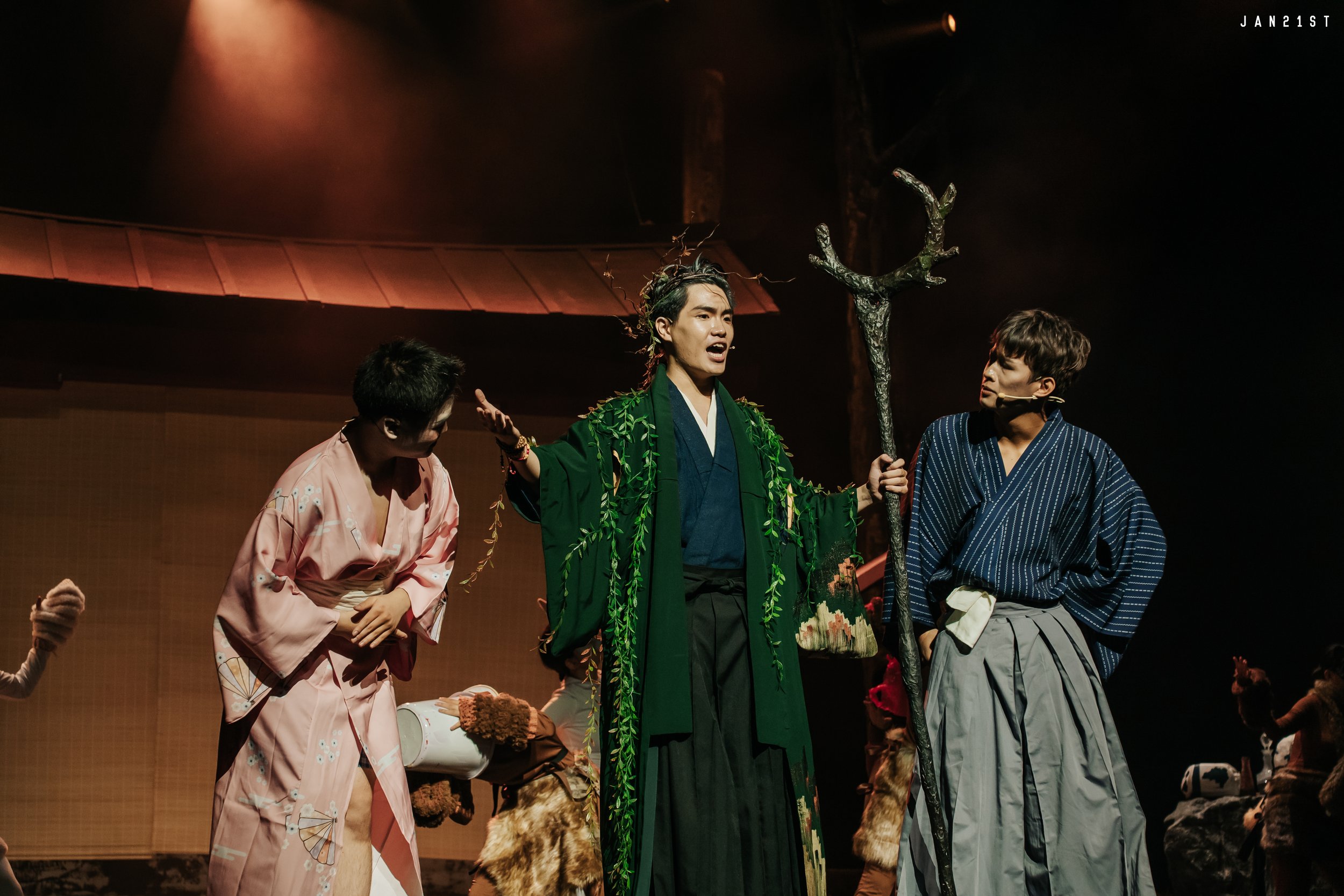
“Every week at this hour, a three-tailed fox comes to ask how to upgrade to six tails. Or a red-faced monkey… that monkey makes a mistake every single week.” (The Forest God - Scene 2)
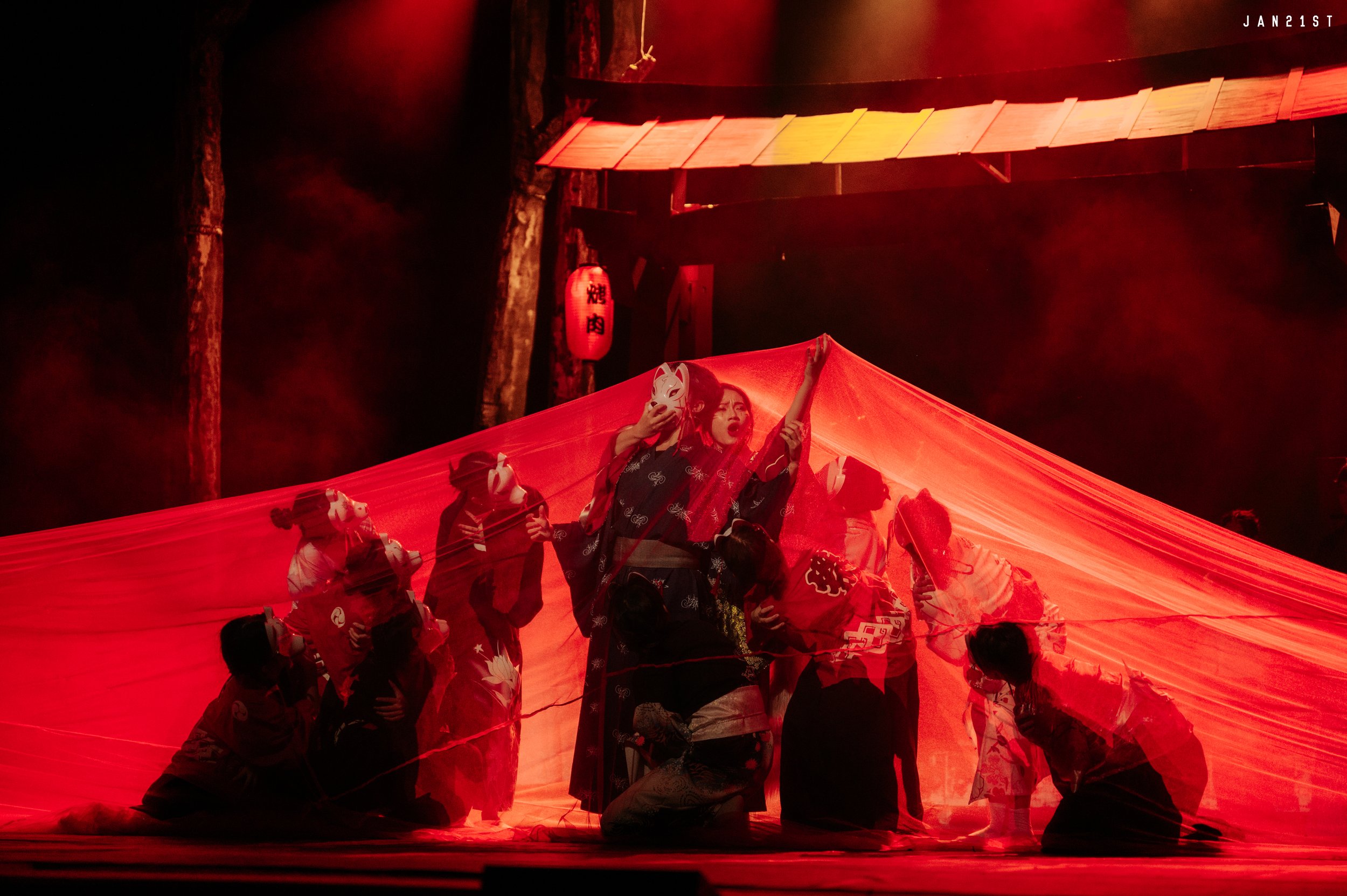
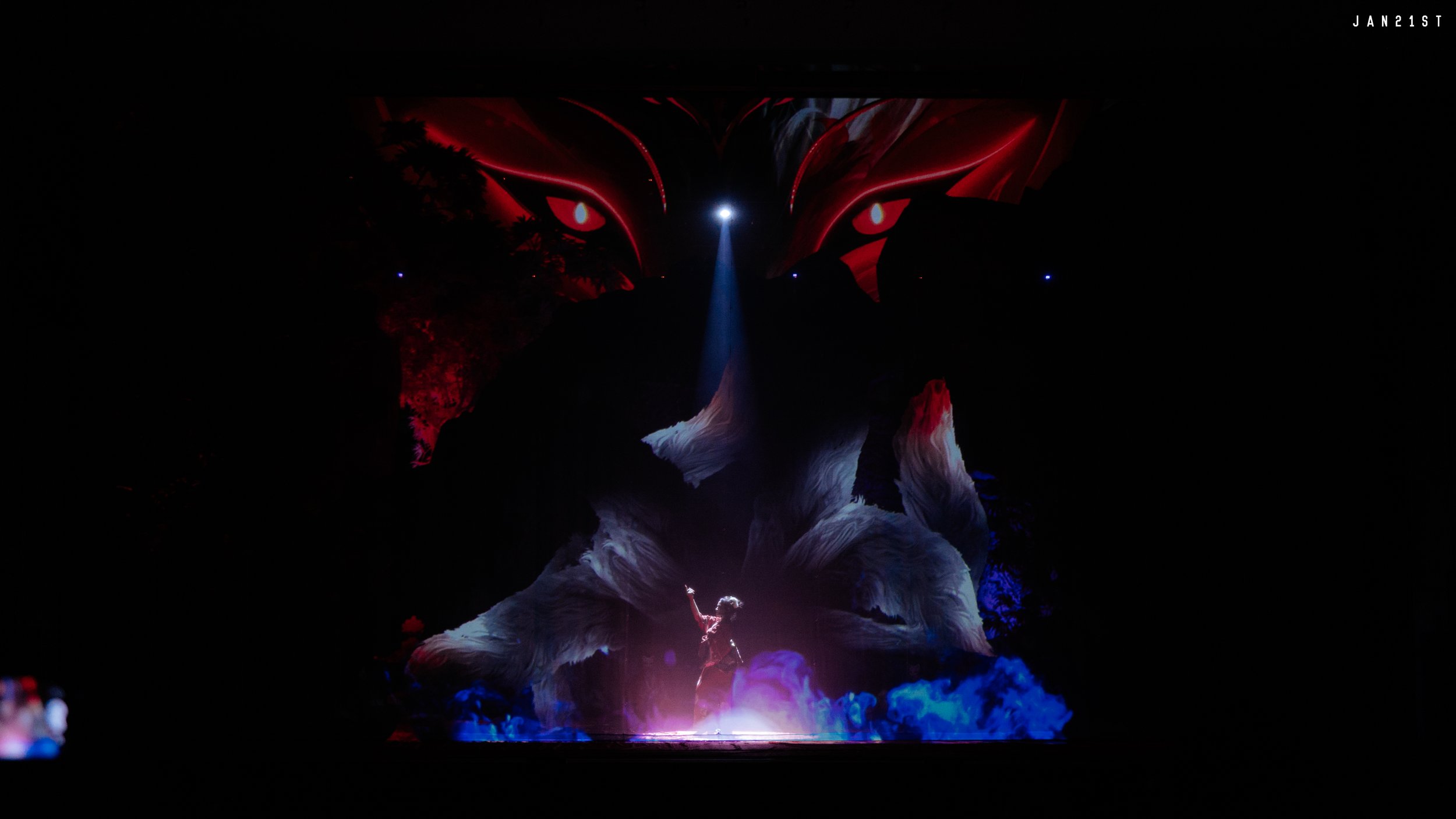
“I learned how to arrange a small house for two… the bowls and chopsticks, the tablecloth, the razor. I learned to hold her when she cried. And more than once, raising her alone, I forgot why I was here.” (The Fox Chieftan)
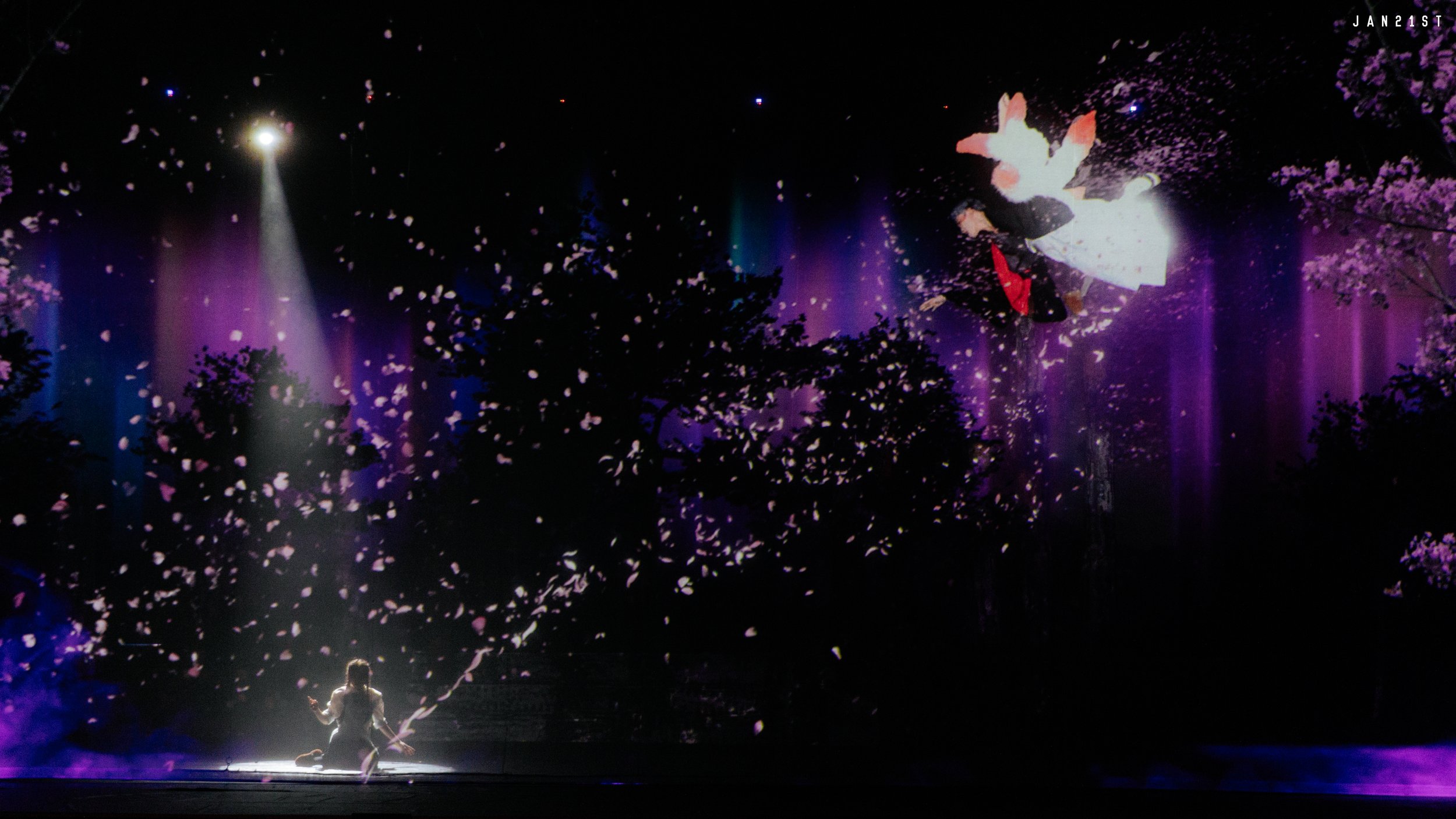
“There is still so much I want to do with you. To grow up beside you. To get through the exams with you. To see you become a writer one day... I will be the first cherry blossom to fall into your hand. I promise.” (Mamoru)
Scene 13 · The fox chieftain’s reveal: the father Sakura has nursed for two years was never her father.
Three ideas behind the world
Sakura Blossom
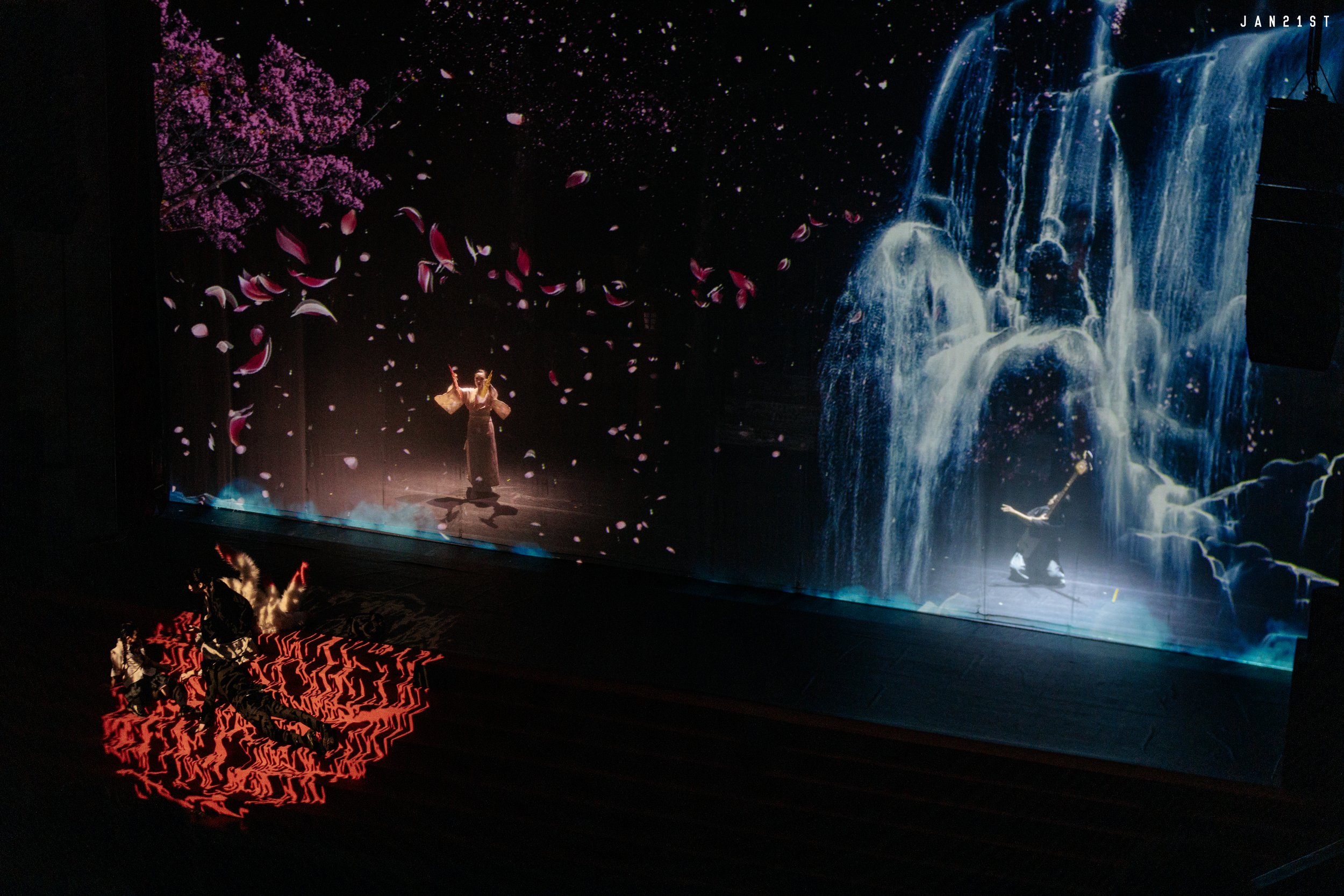
In the heart of Japanese folklore lies a profound conviction: 'If a flower, be a cherry blossom; if a person, be a warrior.' This parallel defines a philosophy where beauty is inseparable from bravery. The Sakura does not fear its end; instead, it embodies the spirit of the Samurai, preferring a brief, brilliant existence of absolute purity over a long life of withered compromise. To bloom with such intensity and to fall at the peak of one’s grace is the ultimate act of courage. It is a reminder that strength is not found in permanence, but in the dignity of one’s presence and the fearlessness of one’s departure.
Fox Wedding
Kitsune no Yomeiri combines the kanji狐の (kitsune no; Fox’s) with嫁入り (Yomeiri; Wedding). In a literal translation, yomeiri means to “receive a bride,” as the custom is for the groom’s family to receive the bride on the wedding day as a proper member of their family. The concept of Yomeiri, serves as the creative heartbeat for my storytelling. It reflects the mystery of En (fate), where human encounters are never accidental. Like the sun-shower wedding of the kitsune, our lives are a series of magical intersections where strangers become kin, and fleeting moments turn into lifelong legacies.
Ichigo Ichie
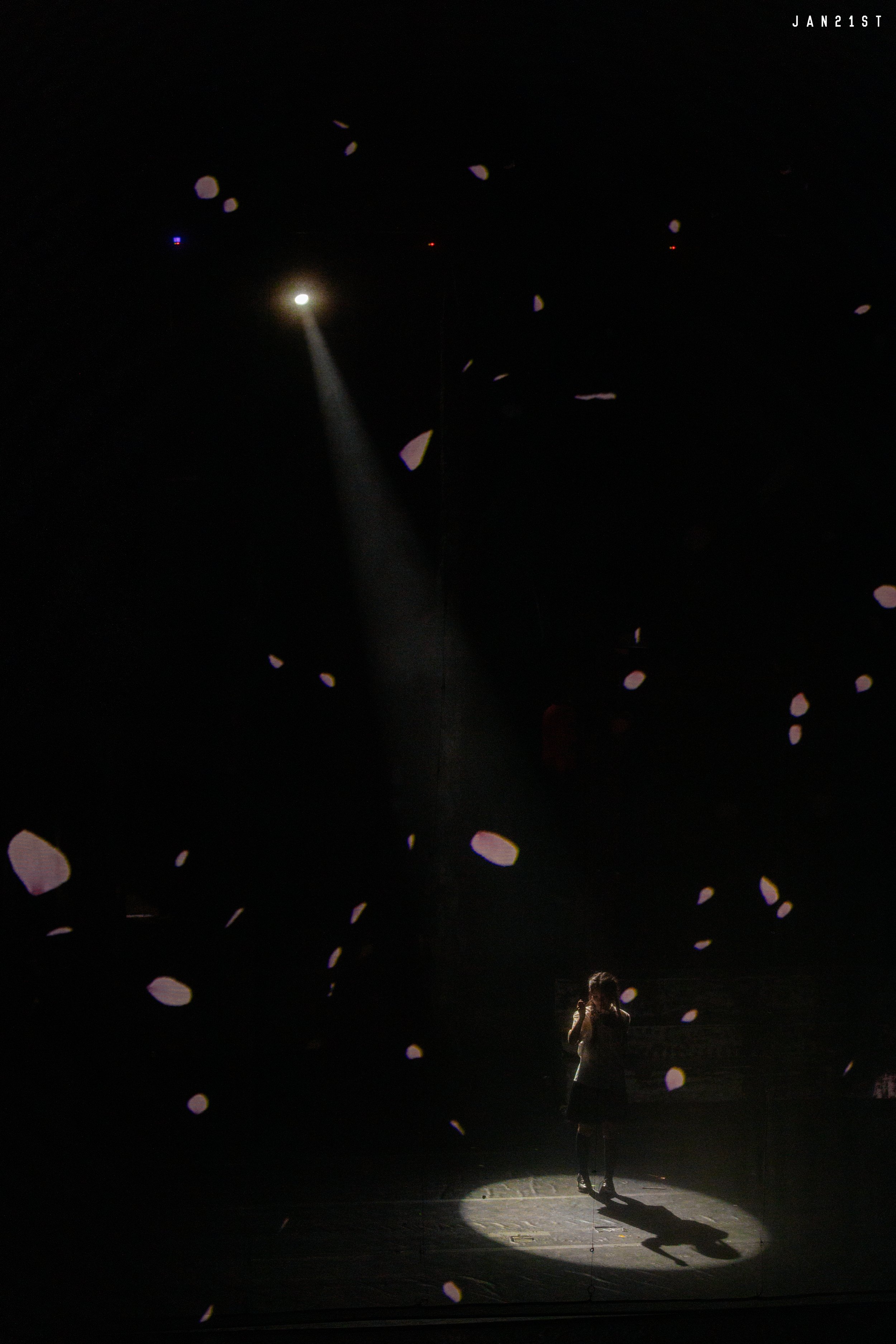
Every encounter is a miracle, a fleeting intersection of paths that may never cross again. Taking inspiration from the Japanese belief that every meeting should be treasured as if it were the last, I delve into the weight of “Nghĩa”, the core Japanese value of duty and heartfelt devotion. Whether it is a fox spirit finding a soulmate or a mentor guiding a disciple, these relationships are anchored in a “Nghĩa” that transcends simple affection. It is a bond that heals old wounds and turns enemies into the most trusted of kin, proving that when 'Duyên' brings us together, it is our 'Nghĩa' that makes the connection eternal.